Introduction
A saree is more than just fabric — it carries tradition, craftsmanship, culture, and emotion within every thread. While both handwoven and machine-made sarees may look beautiful at first glance, there is a noticeable difference in the way they feel, drape, and age over time.
At Katha By Anupama, we deeply appreciate the artistry behind handcrafted textiles and the timeless charm they bring to every wardrobe. But what exactly makes handwoven sarees feel so different from machine-made ones? Let’s explore the beauty behind the weave.
The Human Touch Behind Handwoven Sarees
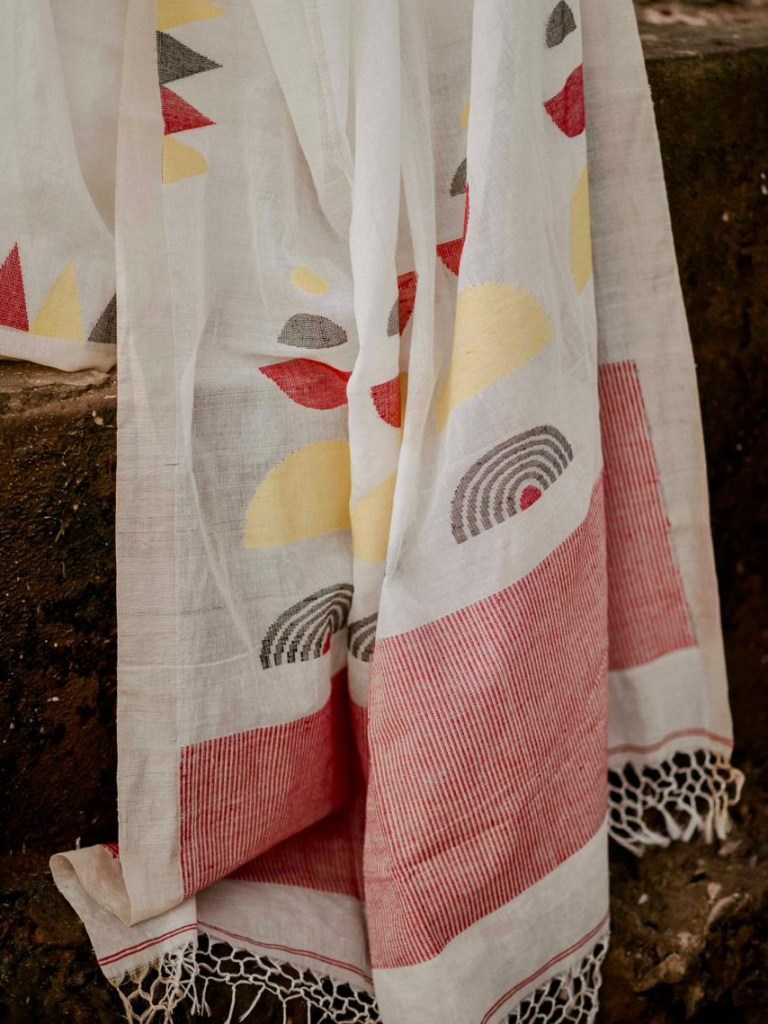
Handwoven sarees are created by skilled artisans using traditional weaving techniques passed down through generations. Every thread is woven carefully by hand, often taking days or even weeks to complete a single saree.
Unlike machine-made fabrics that are produced in bulk at high speed, handwoven sarees carry the rhythm, patience, and craftsmanship of the weaver. This human touch gives the saree a softer character and a unique personality that machines cannot fully replicate.
Every weave reflects dedication, artistry, and tradition.
Texture That Feels More Natural
One of the first things people notice about handwoven sarees is their texture.
Handwoven fabrics usually feel:
- Softer over time
- More breathable
- Slightly textured and organic
- Comfortable against the skin
Machine-made sarees often have a perfectly uniform finish, which can sometimes feel stiff or overly processed. Handwoven sarees, on the other hand, retain a natural softness and airy feel because of the slower weaving process.
This is why handwoven cotton, linen, and silk sarees often become more beautiful and comfortable with every wear.
Every Handwoven Saree Is Unique
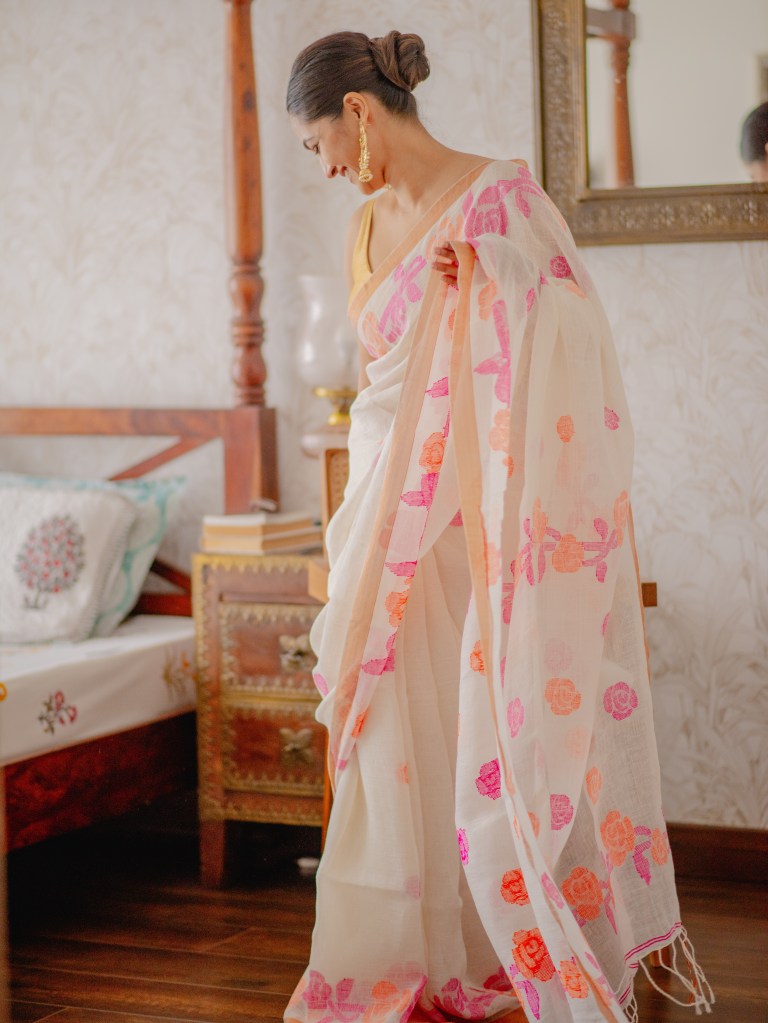
No two handwoven sarees are ever exactly the same.
Small irregularities in weaving, slight variations in motifs, or tiny texture differences are not flaws — they are signs of authenticity. These imperfections are what make handcrafted sarees special and personal.
Machine-made sarees are designed for exact replication, meaning every piece looks nearly identical. Handwoven sarees carry individuality, making each drape one of a kind.
That uniqueness adds emotional and artistic value to the saree.
Better Breathability and Comfort
Handwoven sarees are generally woven at a slower pace, allowing the fabric to remain lighter and more breathable.
This makes them:
- Comfortable for long hours
- Ideal for warm weather
- Easy to drape
- Suitable for daily wear
Especially in fabrics like mul cotton, linen, and handloom cotton, the breathable weave allows air to pass naturally through the fabric.
Machine-made fabrics are often tightly woven for speed and uniformity, which can sometimes reduce airflow and softness.
The Beauty of Traditional Craftsmanship
Handwoven sarees are deeply connected to India’s textile heritage. Many weaving traditions have existed for centuries and continue to survive because of skilled artisans and conscious buyers who value handmade artistry.
From jamdani weaving and zari work to traditional motifs and regional techniques, handwoven sarees preserve stories and cultural traditions through fabric.
When you wear a handwoven saree, you are not just wearing clothing — you are carrying a piece of craftsmanship and heritage.
Handwoven Sarees Age Beautifully
One of the most loved qualities of handwoven sarees is how gracefully they age.
With proper care:
- Cotton becomes softer
- Linen develops a rich texture
- Silk gains a beautiful natural fall
- The saree adapts to your draping style
Instead of losing charm over time, many handwoven sarees become even more elegant after repeated wear.
Machine-made sarees may maintain a polished appearance initially, but handcrafted fabrics often develop a timeless beauty that feels more personal and lived-in.
Why Handwoven Sarees Cost More
Many people wonder why handwoven sarees are priced higher than machine-made ones.
The reason lies in:
- Time-intensive craftsmanship
- Skilled manual labor
- Detailed weaving techniques
- Limited production
- Higher attention to quality
A single handwoven saree may take several days to complete, depending on the complexity of the weave and design.
The price reflects the effort, artistry, and tradition involved in creating something truly meaningful and long-lasting.
Choosing Handwoven Means Supporting Artisans
Every purchase of a handwoven saree supports weaving communities, traditional artisans, and local craftsmanship.
In a world of fast fashion and mass production, choosing handcrafted textiles helps preserve age-old weaving traditions and provides livelihood opportunities for skilled artisans.
It is a conscious choice that values quality, sustainability, and heritage.
Conclusion
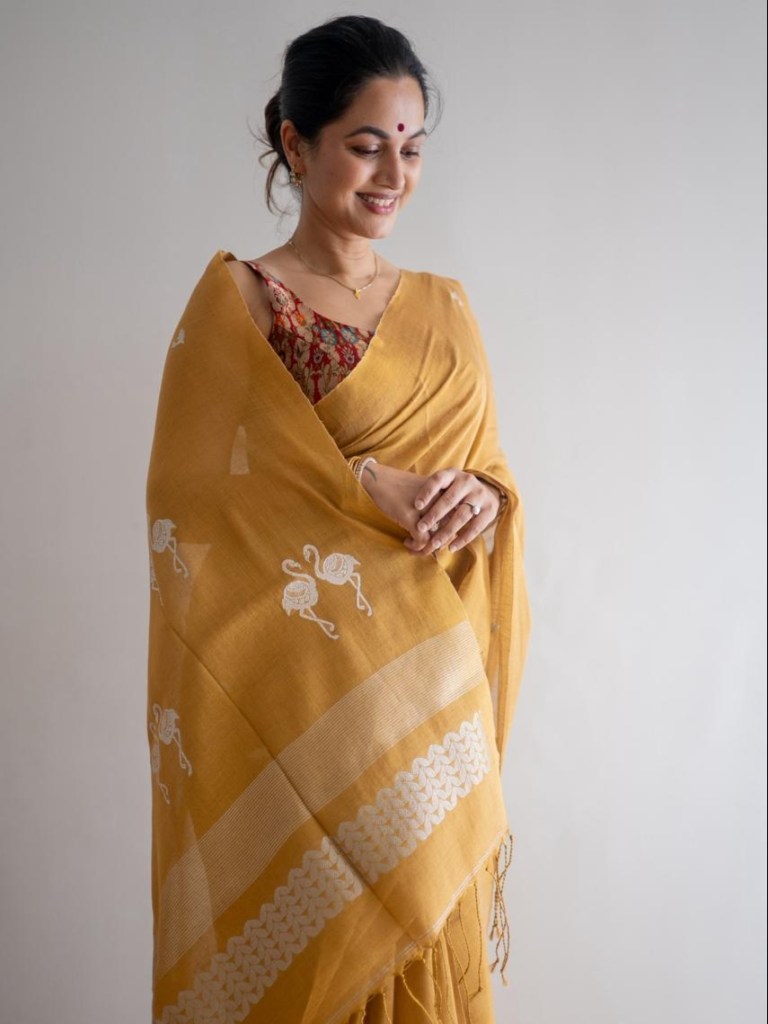
Handwoven sarees feel different because they are made differently — with patience, artistry, and human connection woven into every thread.
Their softness, texture, uniqueness, breathability, and timeless beauty create an experience that machine-made fabrics often cannot replicate.
At Katha By Anupama, we celebrate the elegance of handcrafted textiles and the stories they carry. A handwoven saree is not just something you wear — it is something you feel, cherish, and pass on through generations.

 KBA Blog
Leave a comment